
Three recipes for the medicine of tomorrow
Osypka Medical, SEMDATEX, and Hofmann & Sommer are developing solutions for the medical sector in Adlershof
The future of medicine looks promising. Three Adlershof-based companies show what it could look like. Though they are active in very different fields, they have a common goal: detecting diseases earlier, treating them more precisely and providing better care for patients.
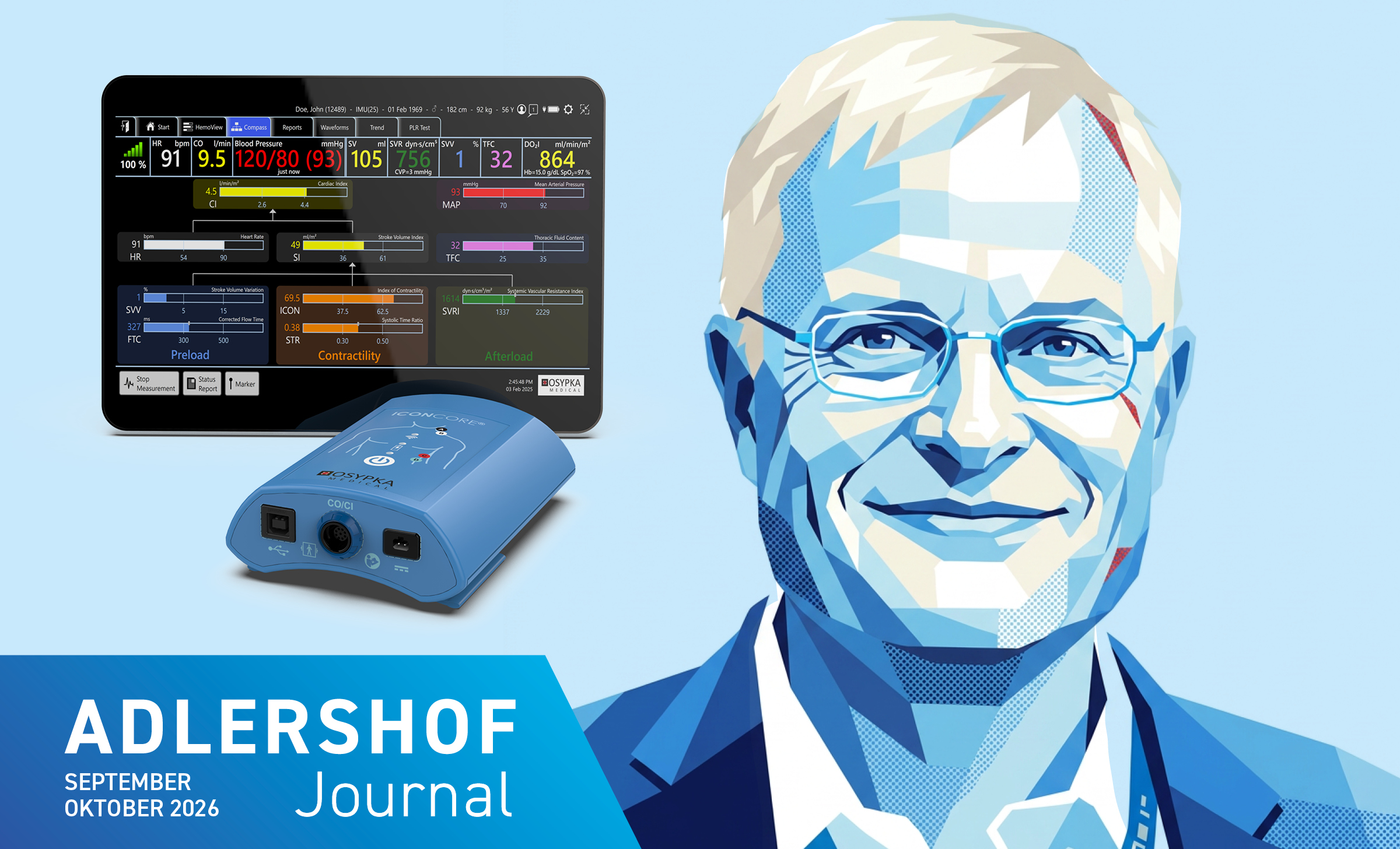
For Markus Osypka, the future of medicine is a matter close to his heart. The founder and CEO of Osypka Medical is passionate about his field. He and his team are working to make patient care more preventive, including for children, who are often overlooked by large medtech companies.
A deep and continuous look into the heart’s inner workings reveals more than any blood pressure cuff ever could. For four decades, Osypka Medical has been refining that deep look: with modern monitoring systems, external pacemakers and training simulators. “These three areas are closely connected,” says Osypka. Unlike
implanted pacemakers, external pacemakers are used only temporarily, for example, in intensive care units, emergency departments or following cardiac surgery. “Many doctors and nurses feel unsure when using these sophisticated devices, so we developed the CoraSim cardiac simulator, where they can practise realistic clinical situations,” Osypka explains. The company's third product line comprises non-invasive haemodynamic monitors that measure parameters such as cardiac output and vascular resistance. Children with congenital heart defects in particular benefit from innovations developed in Adlershof. “Our technology synchronises the atria and ventricles, thereby improving cardiac performance,” says Osypka.
Osypka expects a fundamental shift in medicine in the years ahead: away from treating damage after the fact and towards prevention and early detection. “Modern imaging, artificial intelligence and, above all, non-invasive measurement methods help us identify risks earlier and take action in good time,” he says.
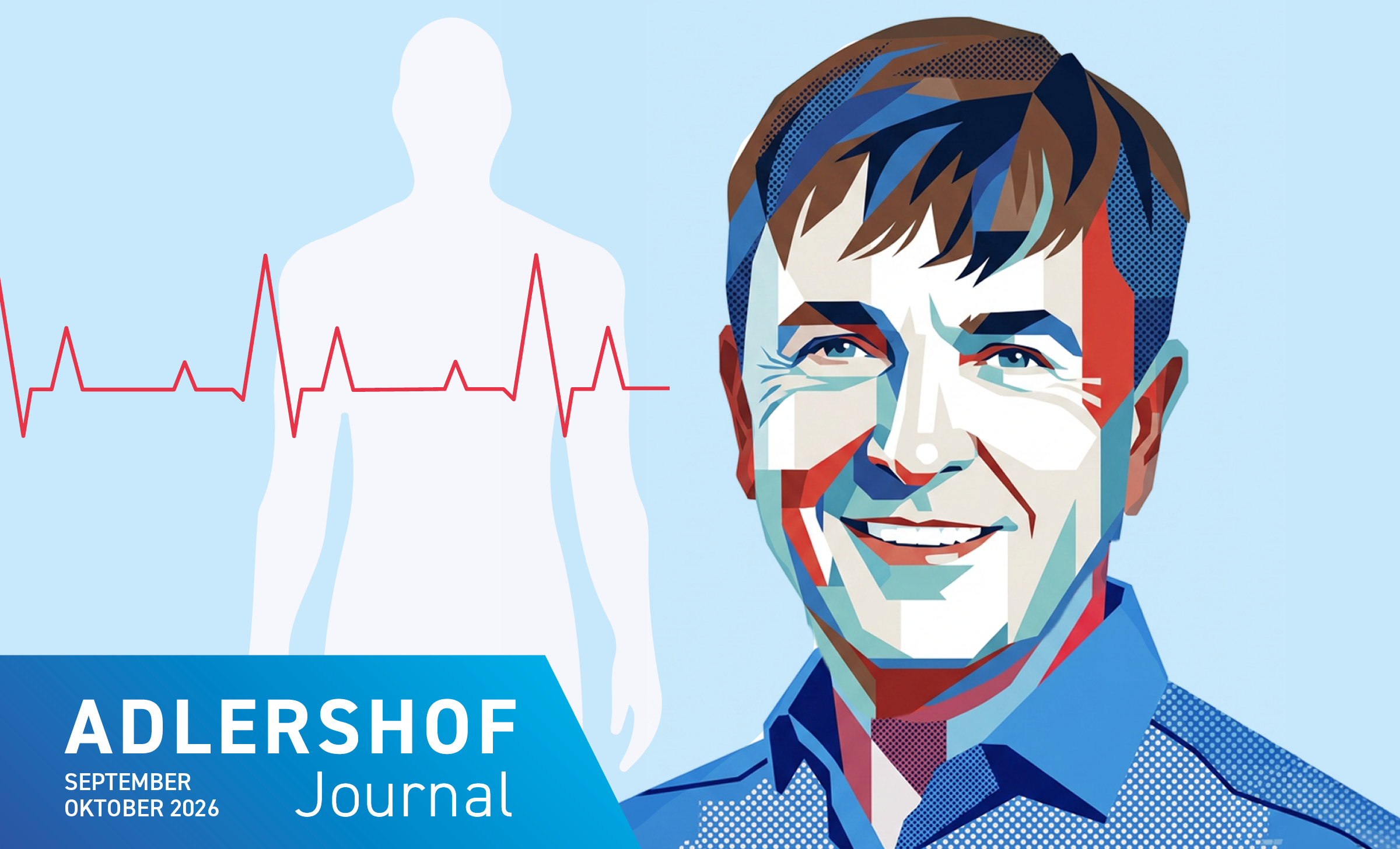
SEMDATEX GmbH is working towards the same goal, developing digital monitoring for patients with heart failure. Instead of being checked only periodically during visits to the doctor, patients transmit daily measurements such as weight, blood pressure, pulse and ECG readings. A telemedicine centre evaluates the data. “We bring care to where people live—and identify problems before they lead to hospitalisation,” explains managing director Volker Leonhardt. The result is fewer hospital stays, more predictable care and a better quality of life. Telemonitoring for heart failure is now part of standard healthcare provision in Germany.
The inCareNet HF platform brings everyone involved onto the same page. Patients use a tablet, cardiologists work with a dashboard that prioritises abnormal readings, and GPs have access to the same tamper-proof documentation. “One picture, one record for everyone involved, from the GP practice to cardiology,” says Leonhardt, describing the principle. The platform is also manufacturer-independent: It integrates cardiac rhythm implants from different manufacturers as well as external sensors, rather than tying practices to a single system. Communication is encrypted, data processing complies with the GDPR, and inCareNet HF is certified as a Class IIa medical device (medium risk).
Leonhardt sees the biggest obstacles to digitalisation not so much in the technology itself as in getting different systems to work together. With more than 180 telemonitoring centres and over 10,000 patients under its care, SEMDATEX is continuing to develop this standard from Berlin. Leonhardt: “The medicine of the future will provide continuous care rather than simply react to problems—and we're building the connectivity that makes this possible.”
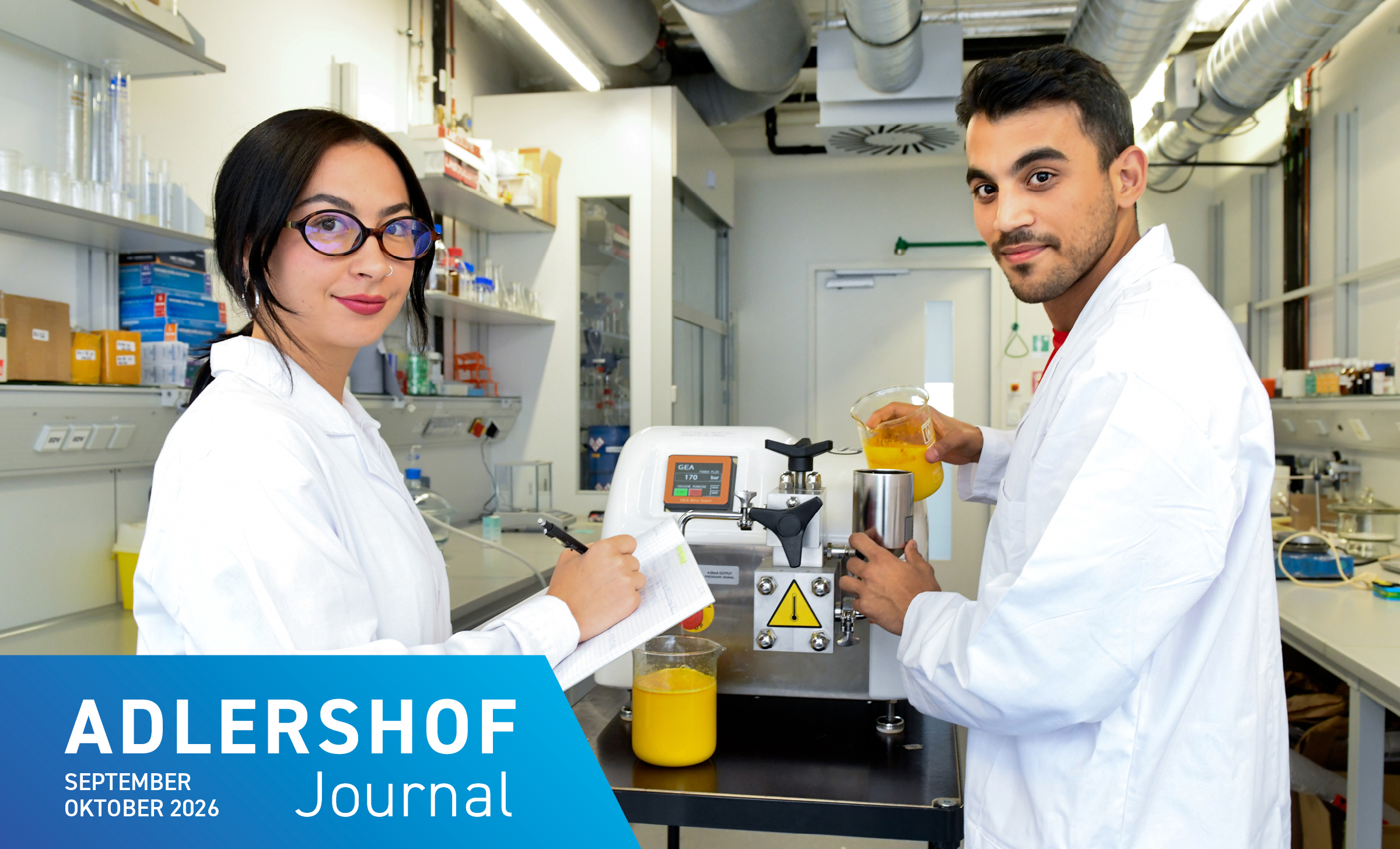
Another innovator on the campus is focusing less on connecting and more hydrating. Inside a high-pressure system at the Adlershof-based branch of the Thuringian pharmaceutical manufacturer Hofmann & Sommer, droplets are reduced to nanoscale dimensions. For Adil Yalcin, head of research & development, this is the key to more effective medicine. “At the heart of our work is the further development of established active ingredients and modern formulation approaches that improve their stability, bioavailability and therapeutic benefits.”
The process is known as high-pressure homogenisation. Shear forces, turbulence, cavitation and impact forces act on the material simultaneously, breaking it down into tiny, stable droplets. “This reduction in the size of the structures creates a greatly increased interface between the active ingredient and the carrier medium,” Yalcin explains. In practical terms, this means that the body can absorb active ingredients that are poorly soluble in water much more effectively, for example, in the form of microemulsions.
Another development focuses on achieving greater efficacy with fewer side effects. The researchers are combining Cidegol C, an active ingredient based on chlorhexidine, with plant-derived natural substances and testing its effectiveness against bacterial pathogens. “The aim is to identify synergistic effects that allow us to reduce the concentration of chlorhexidine without compromising its antimicrobial efficacy,” explains Yalcin, who is advancing the development as part of his doctoral research at the Berlin School of Technology. He would also welcome additional collaboration partners.
Progress can also come from the intelligent further development of established active ingredients. “We are convinced that the medicine of the future will not be shaped by new active ingredients alone, but equally by innovative technologies that enable us to make the most of their potential,” says Yalcin, emphatically.
Chris Löwer for Adlershof Journal
Medical Technology from Germany │ OSYPKA MEDICAL GmbH
SEMDATEX — Proactive Cardiac Care for the EMEA Region
Hofmann & Sommer - Proven medicines from Thuringia - Hofmann & Sommer