
HZB congratulates Peter Hegemann on winning the Nobel Prize
His research groups have been using the Adlershof-based BESSY II X-ray source for their experiments for many years
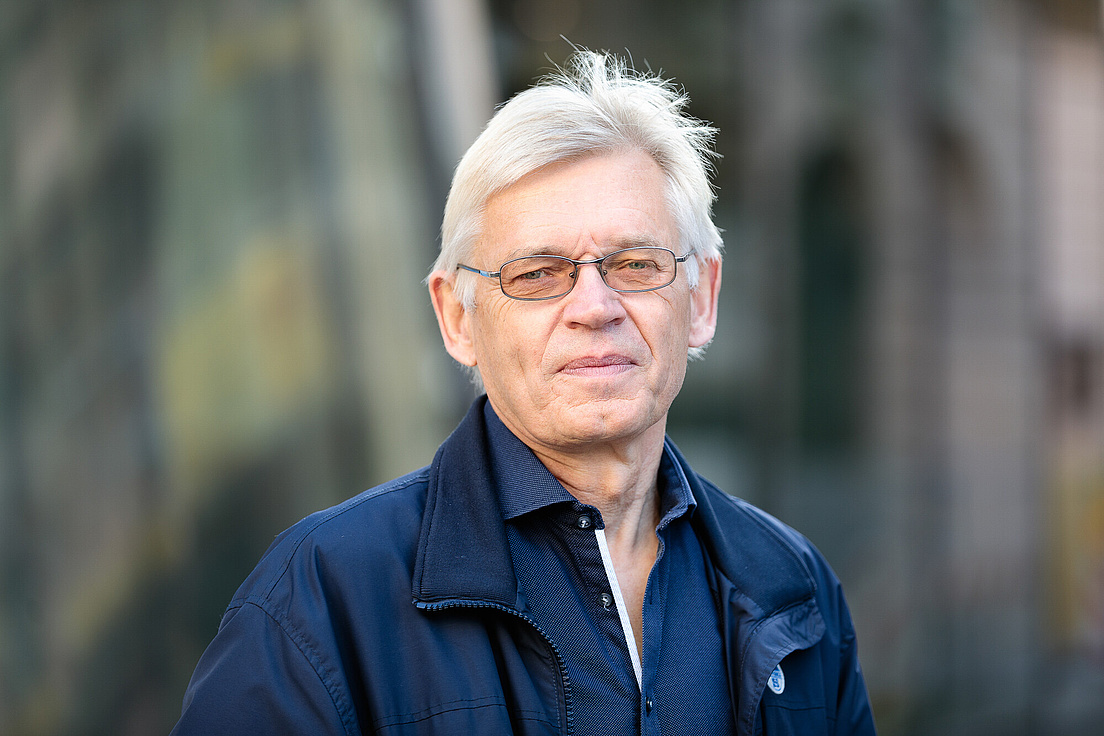
The Helmholtz-Zentrum Berlin (HZB) extends its warmest congratulations to Peter Hegemann, Professor of Neuroscience and Experimental Biophysics at Humboldt University in Berlin. Together with Prof. Georg Nagel (Julius Maximilian University of Würzburg) and Prof. Karl Deisseroth (Stanford University, USA), he has been awarded the 2026 Nobel Prize in Physiology or Medicine. The HZB is delighted for him, his team, Humboldt University and the entire Berlin scientific community.
From his research into green algae to the founding of optogenetics, a completely new field of study, Peter Hegemann has forged his own path. He demonstrates how scientific curiosity can give rise to a new field of research. This Nobel Prize thus once again underlines the great importance of basic research.
For Hegemann, it all began with the question of how green algae perceive light and orient their movement accordingly. Pure interest in gaining new knowledge. He discovered how light causes ion channels to open, which proteins are involved, and how this alters a cell’s electrical potential within milliseconds.
His discoveries regarding light-sensitive proteins now make it possible to specifically control cellular processes using light. In doing so, he also laid the foundation for potential medical applications.
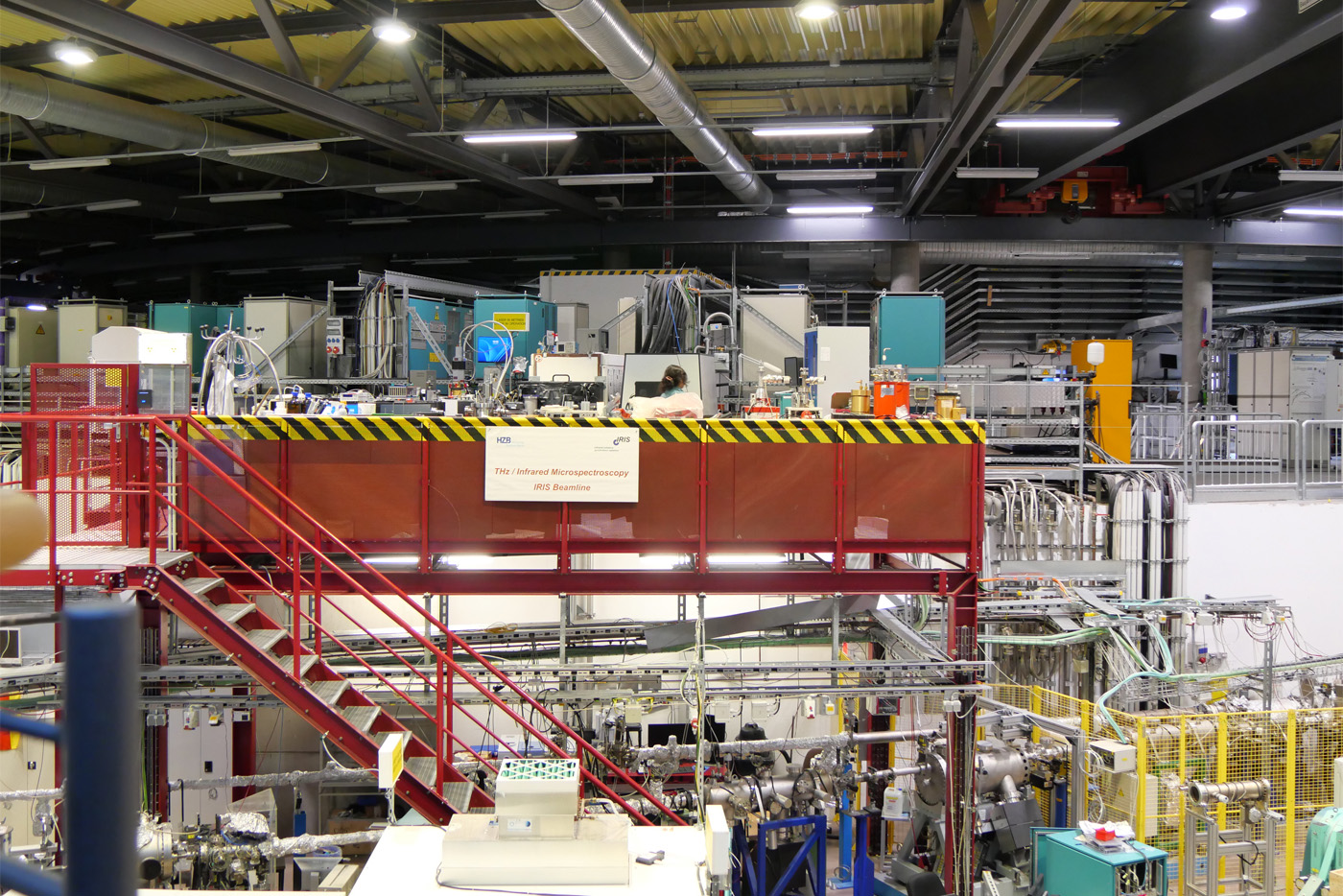
At HZB, they are also proud that his research groups have been using the BESSY II X-ray source for their experiments for many years. Among other things, in 2018 they have deciphered the structure of the protein rhodopsin-guanylyl cyclase at the MX beamlines. This enzyme produces the signalling molecule cGMP following light exposure and is thus directly linked to Hegemann’s Nobel Prize-winning research topic, optogenetics. They have also regularly used the infrared beamline. These measurement campaigns alone resulted in nine publications from the Hegemann group between 2014 and 2021.
It is shared infrastructure such as this that makes Berlin a leading international centre for science. Just recently, a study by DIW Econ showed that every euro invested in BESSY II generates 10 euros in gross value added for Berlin. Investment in research is investment in the future. Peter Hegemann’s Nobel Prize is therefore also a strong signal to Berlin’s political leaders.
Contact:
Dr. Ina Helms
Helmholtz-Zentrum Berlin für Materialien und Energie
Communications
(030) 8062-42034 / (030) 8062-14626
ina.helms(at)helmholtz-berlin.de
www.helmholtz-berlin.de
HZB press release, 14 October 2026